

Quick summary: How to store breast milk depends on where and how cold it is stored. According to the Centers for Disease Control and Prevention (CDC), fresh breast milk can be kept at room temperature for up to 4 hours at 25°C or lower , and in the refrigerator for up to 4 days at 4°C or lower . It is best used in the freezer within 6 months and can be kept for up to 12 months at -18°C or lower. Breast milk that has been thawed in the refrigerator should be used within 24 hours , and any leftover milk after a feeding should be used within 2 hours and then discarded.
Breast milk storage location, approximate temperature, recommended duration: Room temperature 25°C or lower, up to 4 hours; Refrigerator 4°C or lower, up to 4 days; Freezer -18°C or lower, 6 months best, up to 12 months acceptable; After thawing frozen milk in the refrigerator, around 4°C, up to 24 hours; Leftovers after feeding—up to 2 hours
Important note: These guidelines are generally intended for healthy, full-term infants. If your child is premature, ill, or has special health needs, it is best to follow the instructions of your pediatrician or healthcare provider.
Why is it important to know how to store breast milk?
Storing breast milk correctly helps mothers access their expressed milk later, whether at home, at work, or on the go. How the milk is handled, the temperature, and the cleanliness of the equipment all affect the safety and quality of the stored milk.
Therefore, the process of preserving milk is not limited to putting it in the refrigerator or freezer only, but it begins with washing hands and preparing clean and suitable tools for storing breast milk , then choosing the appropriate storage method and putting the date of expression on the container.
You can check out the Nutrition and Milk Preservation section to discover products and tools that will help you organize the process of pumping and preserving milk.
How to store breast milk step by step?
1. Wash your hands thoroughly before handling milk.
Before pumping or transferring milk to a container, wash your hands thoroughly with soap and water and dry them. Also, pay attention to cleaning the parts of the breast pump that come into contact with the milk.
Properly cleaning breast pumps helps reduce the likelihood of germs being transferred to the milk, and therefore the CDC recommends cleaning breast pump parts after each use according to the appropriate instructions.
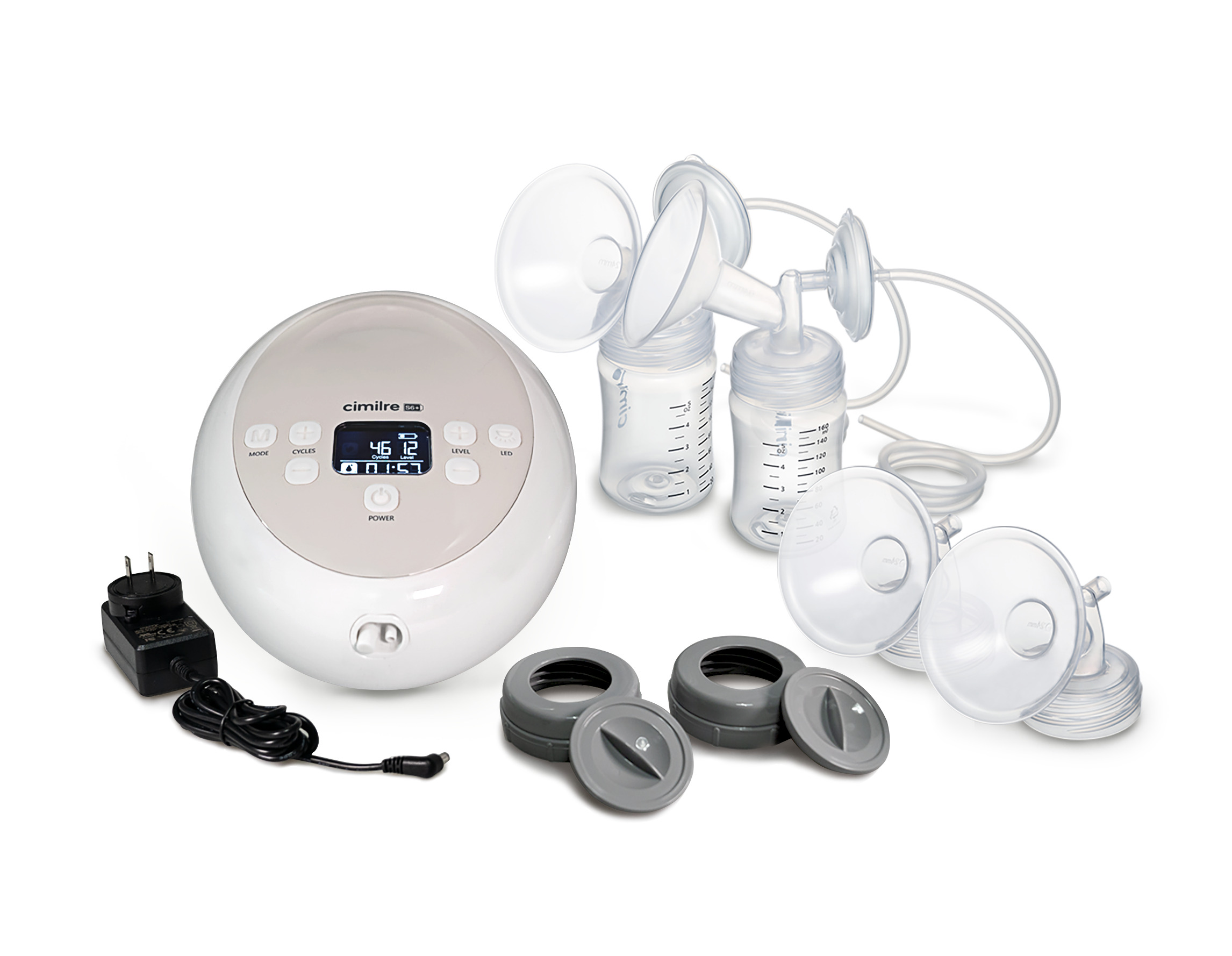
If you are looking for tools to help you with the pumping process, you can explore Cimilre's milk pumps and choose the right device for your needs.
2. Choose a suitable container for storing breast milk.
Place the expressed milk in a clean container specifically designed for storing breast milk , whether it is made of glass or food-grade plastic, making sure it is tightly sealed.
It is best to avoid using bags or containers not specifically designed for storing milk, as proper packaging helps protect the milk during refrigeration or freezing.
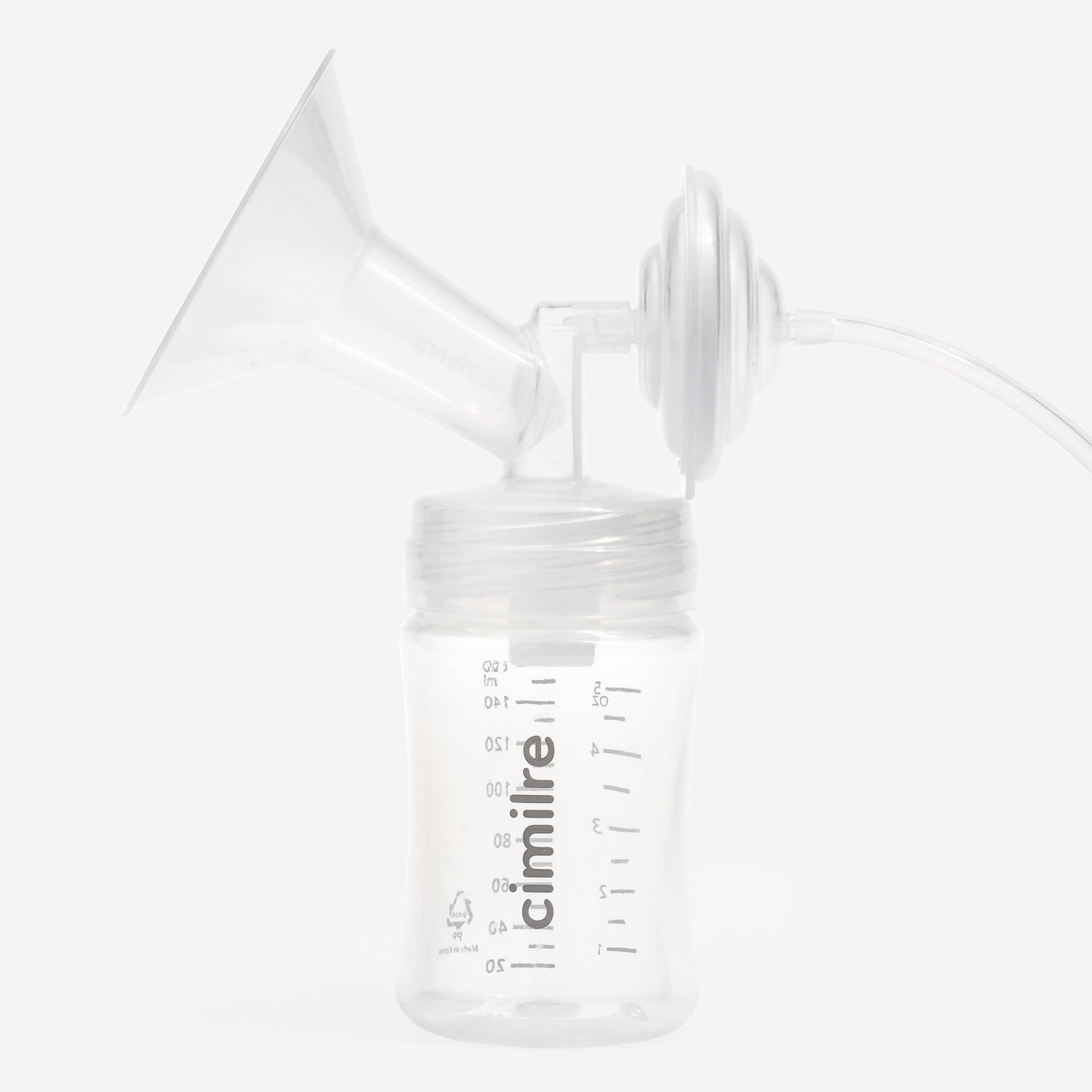
One of the products that can be suitable for the milk collection process is a milk collection bottle , and you can also learn about another option of milk collection bottles .
3. Write down the date and time of milk expression.
One of the most important steps when learning how to store breast milk is to write the date of pumping on the container before putting it in the refrigerator or freezer.
This step helps determine the age of the milk and use the oldest first, especially when several containers are stored.
You can apply a simple rule:
The oldest is used first.
This method reduces the likelihood of the containers remaining unused for longer than the recommended period. It is also advisable to avoid storing breast milk in the refrigerator or freezer door, but rather in the interior where the temperature is more stable.
How long can breast milk be stored?
Storage time varies depending on temperature and storage method. The following table shows practical times according to CDC guidelines:
Conditions and Storage Duration: Fresh breast milk at room temperature (25°C or lower): Up to 4 hours; Fresh breast milk in the refrigerator (4°C or lower): Up to 4 days; Fresh breast milk in the freezer (-18°C or lower): 6 months is best, up to 12 months is acceptable; Thawed breast milk in the refrigerator: Up to 24 hours; Leftover milk after the baby has finished feeding: Up to 2 hours
How long can breast milk be kept in the refrigerator?
Fresh breast milk can be stored in the refrigerator for up to 4 days at 4°C or lower, according to CDC guidelines. It is best to place the container inside the refrigerator, not in the door, to minimize exposure to frequent temperature changes.
If you know that you will not be using the milk during this period, it is better to freeze it rather than leave it in the refrigerator until the end of the storage period.
How long can breast milk be stored in the freezer?
Breast milk can be stored in the freezer at -18°C or lower , and the CDC recommends using it within 6 months as the best duration in terms of quality , while storage for up to 12 months may be acceptable .
When freezing milk, it is preferable to divide it into small amounts suitable for feeding to reduce waste, leaving space at the top of the container because milk expands when frozen.
How to store breast milk in the refrigerator?
After pumping the milk, place it in a clean, airtight container, then write the date of pumping on it.
It is preferable to place the package inside the refrigerator and not in the door, because the temperature inside is more stable.
If you have more than one carton, sort them by date so that the oldest milk is used first.
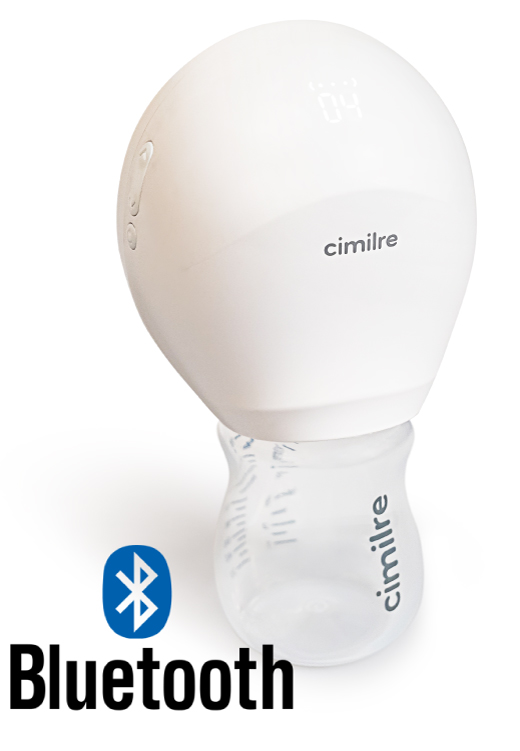
Cimilre offers a range of products that help mothers in their pumping and storage journey, and you can visit the Nutrition and Milk Storage section to learn about the available options.
How to store breast milk in the freezer?
If you do not plan to use the milk within a few days, you can freeze it instead of keeping it in the refrigerator.
For optimal organization:
- Use a container or bag specifically designed for storing breast milk.
- Write the date of the suction on the container.
- Divide the milk into small amounts according to the baby's needs.
- Leave some space in the container to allow the milk to expand when frozen.
- Place the packages inside the freezer.
- Use the oldest milk first.
This method helps to reduce milk waste and better regulate stored quantities.
How to thaw frozen breast milk?
When frozen milk needs to be used, there are several safe ways to thaw it.
The container can be placed in the refrigerator to thaw gradually, or placed in lukewarm water. Running lukewarm water can also be used to help thaw the milk.
Do not microwave breast milk or heat it directly over a flame. Uneven heating in a microwave can create hot spots that could burn your baby, and direct heating is also unsuitable for breast milk.
If frozen milk is thawed inside the refrigerator, it should be used within 24 hours of complete thawing , and should not be refrozen after it has completely thawed.
Can new breast milk be mixed with stored milk?
It is preferable not to add warm fresh milk directly to milk that has been previously chilled or frozen, as this may raise the temperature of the stored milk.
If you wish to combine quantities of milk expressed on the same day, it is best to refrigerate the fresh milk first and then handle it according to the appropriate storage guidelines. When combining refrigerated quantities, the storage time should be calculated based on the oldest quantity .
Can breast milk be stored while working or traveling?
Yes, a mother can continue to pump and store milk while working or traveling with advance planning.
When a refrigerator is not available, the expressed milk can be transported in a cooler bag with ice packs frozen for up to 24 hours , then used or placed in the refrigerator or freezer upon arrival.
This makes having a suitable pump and collection and storage containers an important process for mothers who continue to breastfeed while returning to work or commuting outside the home.
You can explore Cimilre Accessories to learn about products and accessories that can help organize your pumping and breastfeeding experience.
What should I do if my child doesn't finish a bottle of milk?
If a baby starts feeding from a bottle and does not finish the milk, the CDC recommends using the remaining amount within two hours of the feeding ending , after which it should be discarded.
Therefore, it is best to provide appropriate amounts for the child's needs to reduce the amount of milk that may be discarded.
Common mistakes when storing breast milk
There are some mistakes that can be easily avoided when storing milk:
Store milk in the refrigerator door
Frequent temperature changes due to opening and closing the door may not be ideal. It's best to store milk inside the refrigerator or freezer.
Failure to write the date of the suction
Not knowing the date the package was stored makes it difficult to determine the age of the milk and choose the oldest package.
Freezing large quantities
Dividing milk into appropriate amounts for feeding helps to reduce waste.
Using a microwave to heat milk
Microwaves should be avoided for heating breast milk due to the possibility of uneven heating and the formation of very hot areas.
Refreezing milk after it has thawed
Milk that has completely thawed should not be refrozen.
How do you choose the right tools for storing breast milk?
Choosing the right tools can make the process of pumping and storing breast milk easier, especially for mothers who use the pump frequently.
Start with a pump that suits your daily needs, then choose accessories and containers that will help you collect, store, and organize your milk.
At Cimilre Saudi Arabia store you can learn about breast pumps , along with breastfeeding accessories, milk storage and milk collection bottles .
Frequently asked questions about how to store breast milk
How many hours can breast milk be kept out of the refrigerator?
Fresh breast milk can be kept for up to 4 hours at 25°C or cooler, according to CDC guidelines. In warmer weather, it's best to refrigerate it as soon as possible rather than leaving it out of the refrigerator.
Can breast milk be stored in the refrigerator for a week?
According to current CDC guidelines, fresh breast milk that has been refrigerated is recommended for use within 4 days at 4°C or lower.
Can breast milk be frozen?
Yes, breast milk can be frozen. The CDC recommends using it within 6 months as the optimal duration , and storage up to 12 months may be acceptable at -18°C or cooler.
Can breast milk be heated in a microwave?
Using a microwave to heat breast milk is not recommended because it may lead to uneven heating and the formation of hot spots that can burn the baby's mouth.
Does the appearance of breast milk change after storage?
Milk may separate during storage, which is normal. Gently stir the container to remix the ingredients instead of shaking it vigorously.
Can breast milk be transported while traveling?
Yes. Pumped milk can be transported in a cooler bag with ice packs frozen for up to 24 hours , taking care to keep it cold until it reaches a place where it can be refrigerated or frozen.
Summary: How to store breast milk safely
Knowing how to store breast milk helps you organize your breastfeeding experience and safely use expressed milk. The most important things to remember are: hygiene, proper packaging, writing the date of expression, maintaining the correct temperature, and using the oldest milk first .
For fresh milk, the current CDC guidelines state a rule of thumb : 4 hours at room temperature, 4 days in the refrigerator, and 6 months as the optimal duration in the freezer , although recommendations may vary in some specific cases.
For more products to help you during your breastfeeding journey, you can visit Cimilre Saudi Arabia and explore the available feeding and milk storage solutions, pumps and accessories.
Follow Cimilre Saudi Arabia
For tips and additional content on breastfeeding and using breast pumps, you can follow Cimilre Saudi Arabia on Facebook , Instagram , Snapchat , and TikTok .